
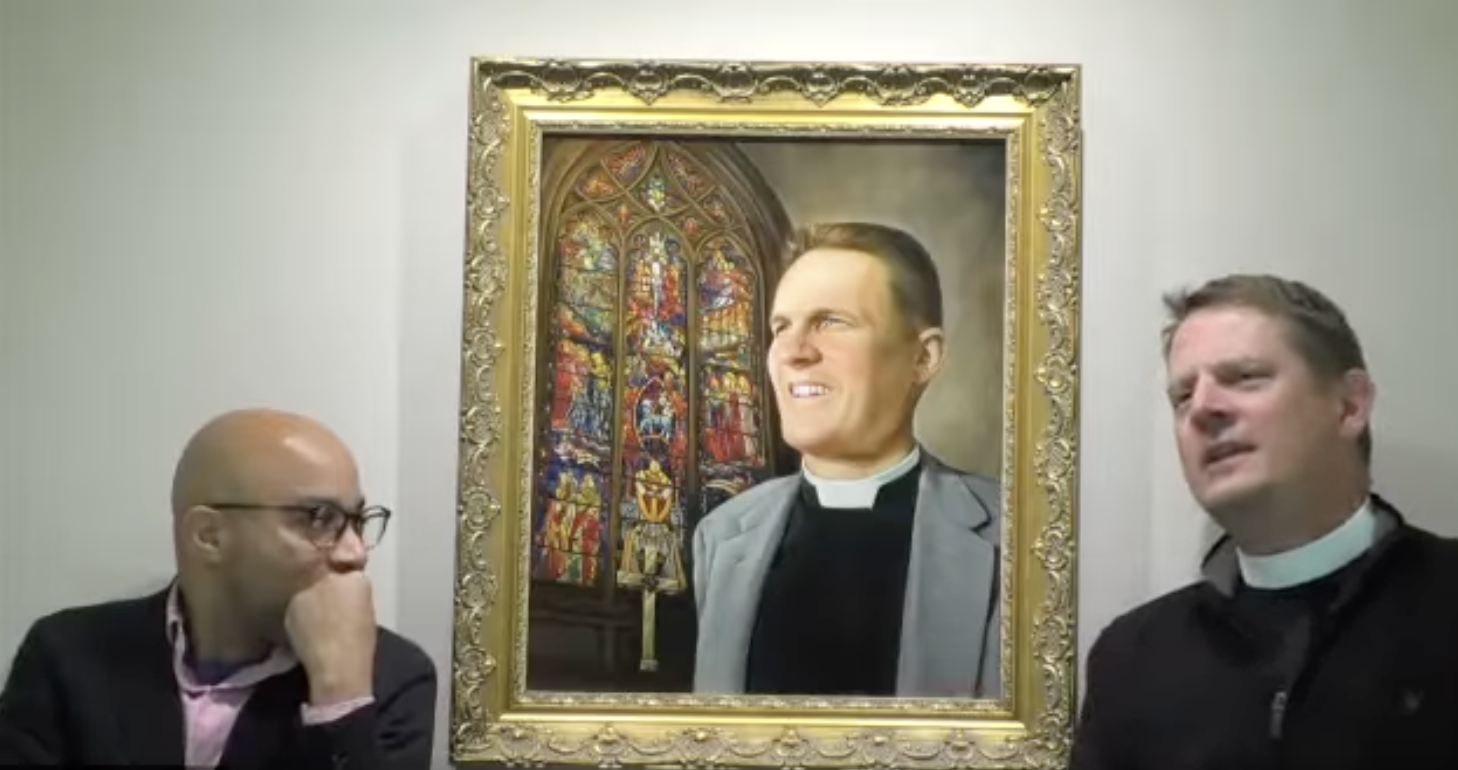
One of the vibrant red doors of Holy Trinity Episcopal Church in Decatur leads directly into Tisdale Hall, a bustling second-floor hub used for fellowship, coffee, and community gatherings.
On May 31, as the parish celebrates Holy Trinity Sunday with a combined 10:30 a.m. service and homecoming picnic, this space will be the center of a vital outreach project: parishioners gathering to assemble sack lunches for the Church of the Common Ground, a diocesan ministry serving unhoused neighbors in downtown Atlanta.
While parishioners fill the hall today—whether dressed in their Sunday best or shorts and flip-flops—the story behind the hall’s namesake belongs to the history of the entire Diocese of Atlanta. Tisdale Hall is far more than a convenient meeting space on a church property; its name honors a leader who embodied the communal spirit of the Trinity by dedicating his life to opening hearts to God and doors to community.
In the mid-20th century, many American churches chose to look away from the turbulent social currents of the era. Holy Trinity took a different path under the leadership of the Rev. Harry Tisdale, who served as rector from 1945 to 1963.
Despite battling a debilitating, painful physical illness, Father Harry (or “Mr. T”) believed the gospel was meant to be lived in deep connection with the world. He poured his energy into raising up a diverse multitude of leaders, expanding the role of women, and preaching boldly for civil rights and integration. He treated the church property not as an isolated fortress, but as a relational hub where baseball games, community dinners, and deep fellowships thrived.
“I’ve long thought that Harry set the DNA of this parish and that his spirit still animates our life together,” said Holy Trinity Rector Greg Tallent. “I can’t count the number of times I’ve told his story.”
The following essay, provided by Tisdale’s son, Chet Tisdale, explores how a music lover from New Orleans transformed a parish into a powerhouse of community leadership, civil rights advocacy, and indomitable faith.
From the Depression to the “Gospel Wagon”
Harry Tisdale grew up in New Orleans during the Great Depression. His mother, a music teacher, introduced him to the Preservation Hall Jazz Band musicians, who taught him to play almost every musical instrument.
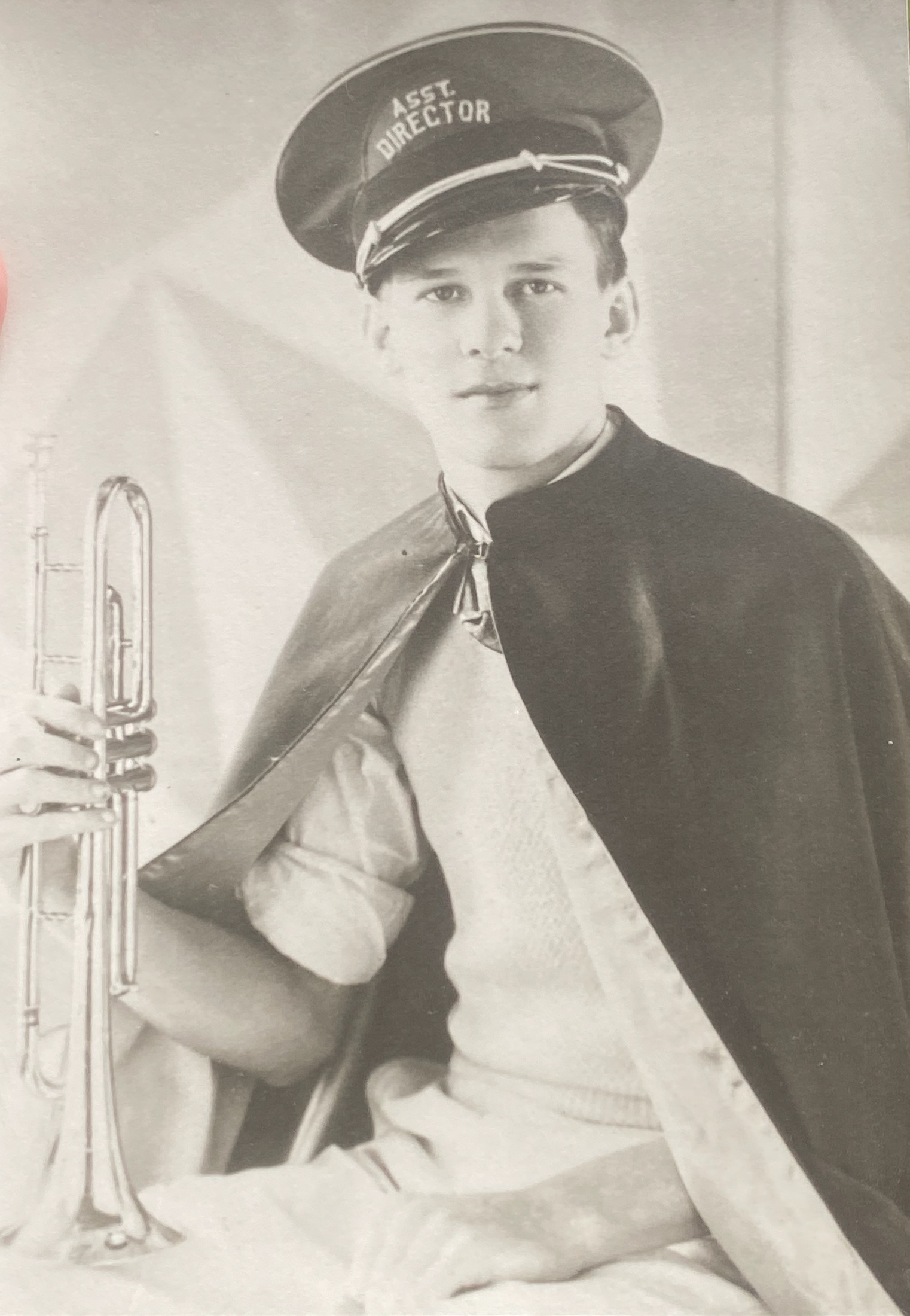
During this era, Governor Huey Long loved the pageantry of the LSU band, expanding its size and the number of available scholarships. Because Tisdale’s family could not afford his college tuition, he secured a band scholarship and lived in a dormitory built underneath the football stadium. Music became Tisdale’s ticket out of poverty.
In the 1930s, the Bishop of Louisiana recruited the Rev. Joseph Ditchburn—an Episcopal priest originally from Bala, Canada—to start children’s camps and become the chaplain at LSU. Tisdale attended Father Ditchburn’s chapel, where Ditchburn eventually persuaded the bishop to license Tisdale and six other LSU students as lay readers. This allowed them to preach sermons and administer Holy Communion at small Episcopal churches near Baton Rouge. One student would drive the other six to these rural churches in Ditchburn’s “Gospel Wagon.”
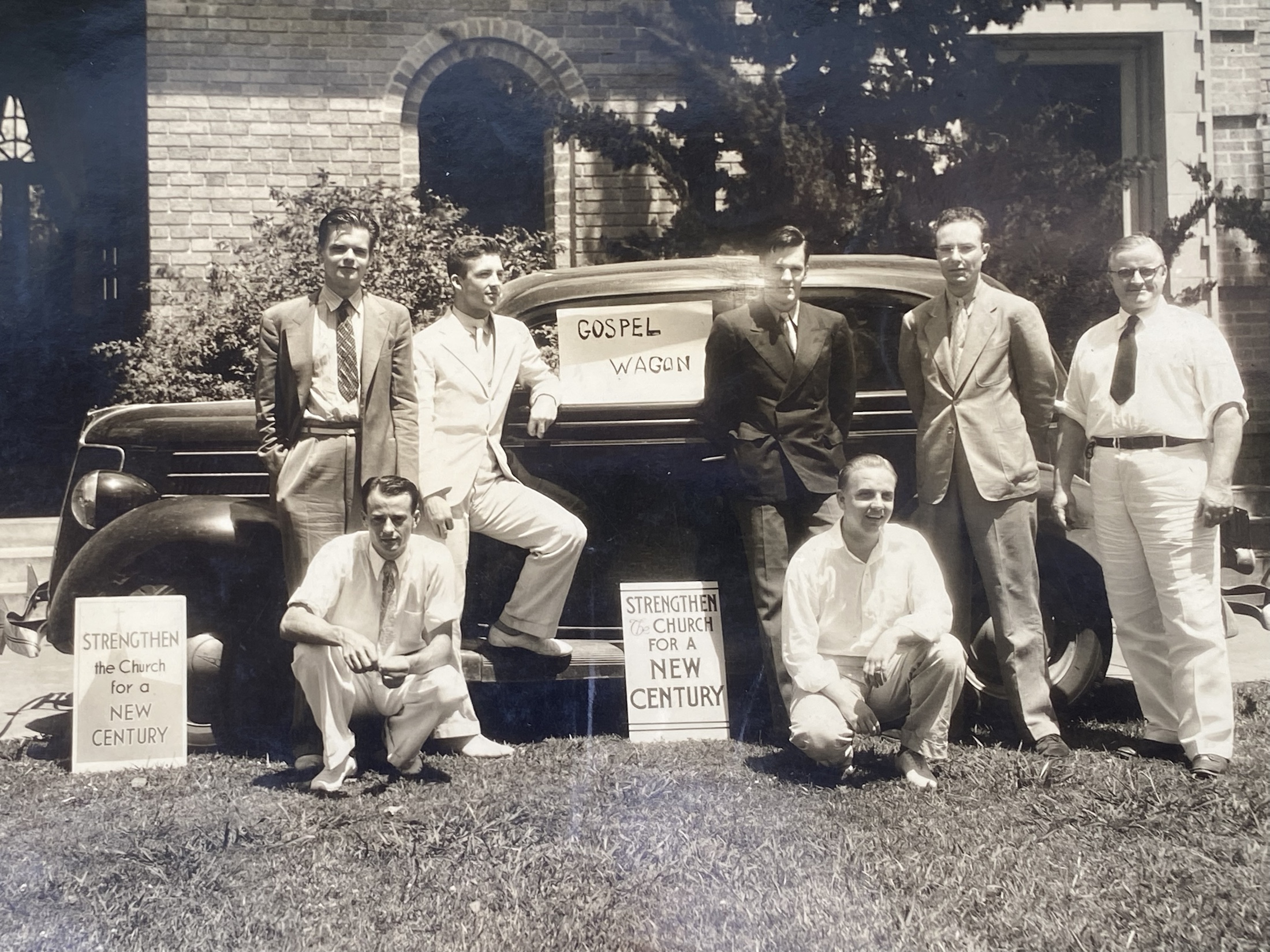
Remarkably, all seven LSU students in the program went on to become Episcopal priests, and one eventually became the Bishop of Louisiana. Ditchburn’s innovative lay reader program won a national award, and Tisdale captured the historic moment himself, photographing the students gathered around the famous vehicle.
Tisdale graduated from LSU in 1938 and from the seminary at Sewanee in 1940. He was ordained in 1941 and became an assistant priest at St. Paul’s in Chattanooga, where he met and married Virginia Scott. After serving as rector of two churches in Louisiana, Tisdale moved to Georgia in 1945 to become the rector of Holy Trinity Episcopal Church in Decatur at just 30 years old.
A Mid-Century Vision for Social Justice
Historians often view American churches of the late 1940s and 1950s as structurally shallow and unwilling to address pressing social issues. Families who survived World War II flocked to church largely seeking a return to normalcy.
However, Tisdale decided it was time for Holy Trinity to directly address the critical social issues of civil rights, integration, and women’s rights. Fortunately, the congregation that greeted him in 1945 included many forward-thinking members who wanted the church to be far more than just a place to sit on Sunday morning.
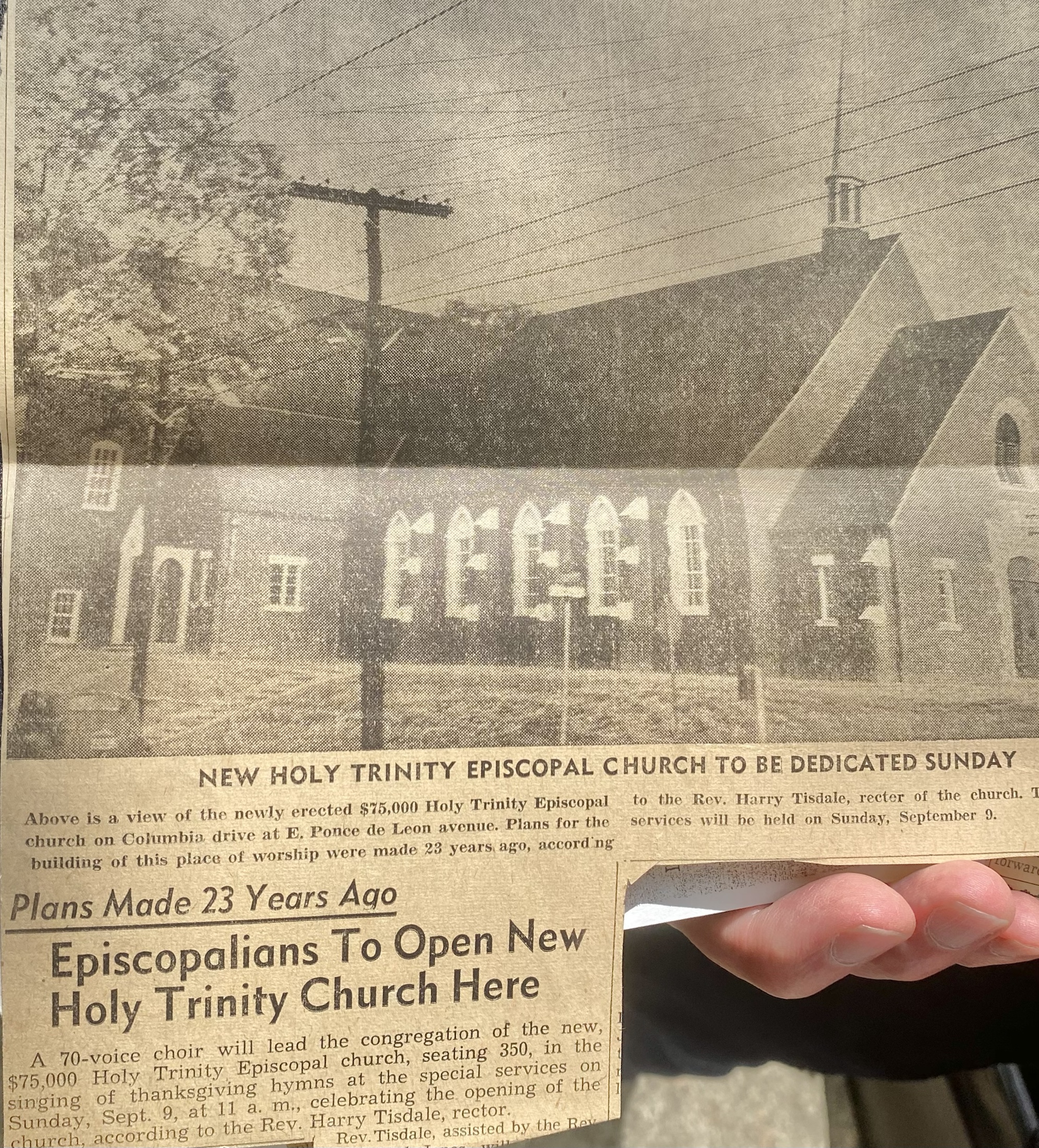
This active congregation supported their rector as he identified strong leaders, built a booming Sunday school program, and raised funds to construct a new church building. He pushed the parish to look outward, purchasing nearby houses for community use, visiting every new resident in Decatur regardless of denomination, and preaching boldly for integration and civil rights.
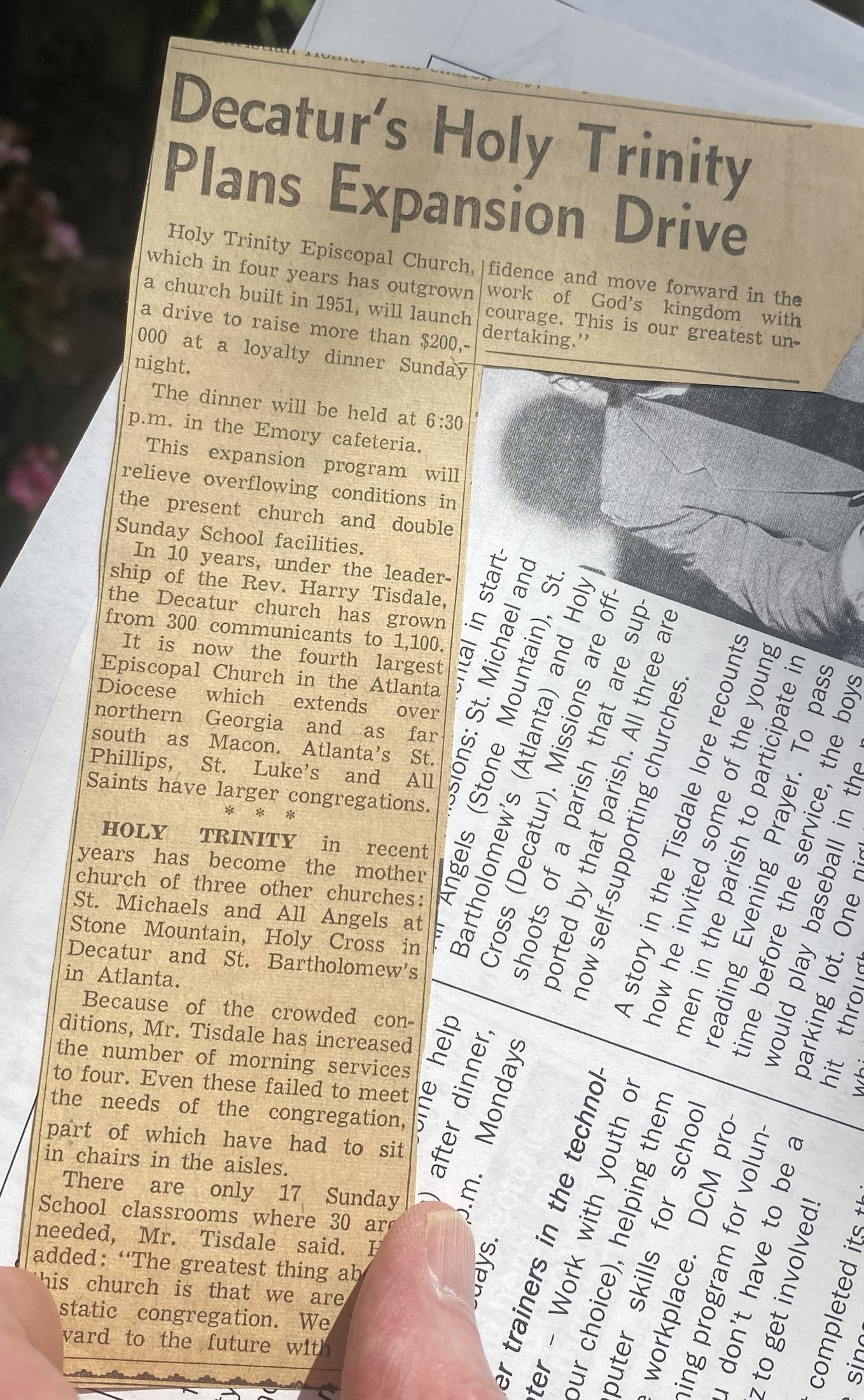
Under this shared vision, Holy Trinity grew from 440 members in 1945 to 1,655 baptized members by 1961, making it the third-largest church in the diocese. The church became so crowded that Tisdale established three new missions to serve the growing community: St. Bartholomew’s in Atlanta, Holy Cross in south Decatur, and St. Michael and All Angels in Stone Mountain.
Cultivating Leaders in Decatur
How did Tisdale and the congregation create such a vibrant church? They actively recruited students, faculty, and administrators from nearby institutions like Emory University and Agnes Scott College, engaging individuals who would become prominent leaders in the wider Decatur community.
Frank Allan first came to Holy Trinity as an Emory college student. Tisdale persuaded him to join the parish and teach Sunday school. Allan later became the Bishop of the Diocese of Atlanta, where he ordained Eloise Lester as the first female Episcopal priest in the diocese in 1977. Allan also paved the way for women to attend Candler and Columbia seminaries in Atlanta so they could become priests without having to leave the region.
Leslie Gaylord, an Agnes Scott mathematics professor, became one of the first female senior wardens in the Diocese of Atlanta. She later supervised the contractors building a new Holy Trinity church after the parish hall burned down in 1967.
Other notable leaders emerged from this era. Jerry Zeller, Tisdale’s second curate, later became the dean of students at Emory. Pierre Howard, a successful lawyer and state legislator, worked alongside the governor to change state laws to enable peaceful school integration. Howard also won a contentious lawsuit that successfully rezoned property in Decatur for a new Lutheran church over local objections.
John Hightower, a Southern Bell executive, served as senior warden, treasurer, a member of the “Rector’s Reckless Band,” and Tisdale’s most trusted advisor.
Building a True Community
Tisdale firmly believed that women were exceptional community connectors. He established a dedicated group of churchwomen who greeted every visitor to Holy Trinity, a hospitality initiative that proved incredibly successful in welcoming and recruiting new members.
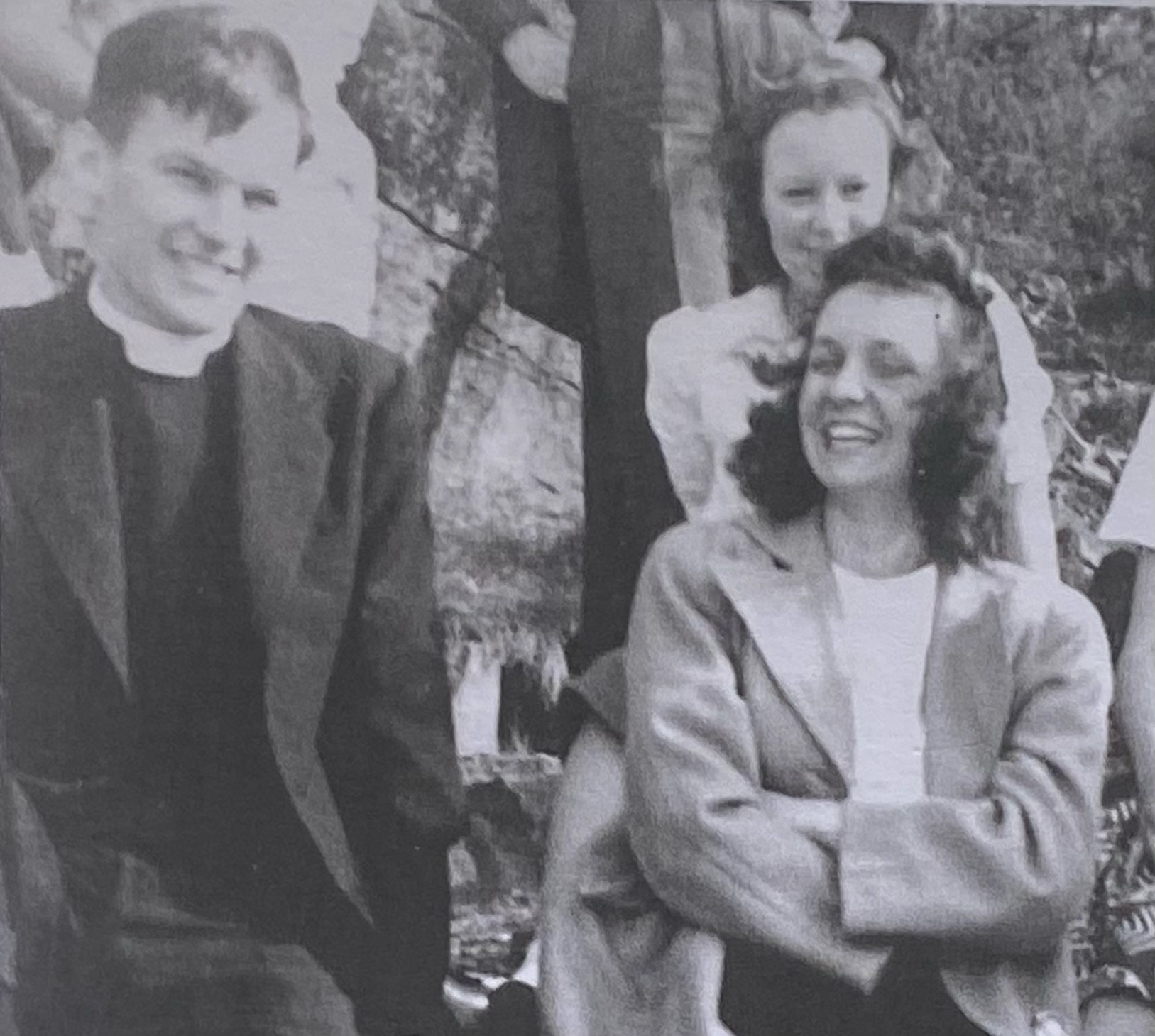
For Tisdale, building a strong community required deep engagement beyond Sunday morning. The church buildings constantly hosted birthday parties, dances, bazaars, band practices, and parish suppers. The two nearby houses provided games, picnic space, and housing for the curate’s family.
Before Sunday evening services, Tisdale could often be found playing baseball in the yard with the acolytes and choir members. One evening, a stray baseball shattered a church window. When the senior warden ran out to stop the game, he discovered that it was the rector himself who had hit the ball.
Holy Trinity became the first church in the diocese where girls served as acolytes, and young members were regularly trained to be lay readers. Ultimately, two women and seven men from the parish went on to become priests: Bertie Pitman, Coile Estes, Frank Allan, Bob Bailey, Austin Ford, Charlie Roper, Herb Smith, Charles Taylor, and Jerry Zeller.
Among them, Austin Ford became a leading civil rights advocate and founded Emmaus House, a vital education and support center for African Americans in Atlanta.
An Invincible Summer
Tisdale battled ankylosing spondylitis, a painful, crippling disease that eventually forced him to step down as rector of Holy Trinity in 1963. Yet, he refused to stop serving, working as the editor of the diocesan newspaper and as a substitute preacher.
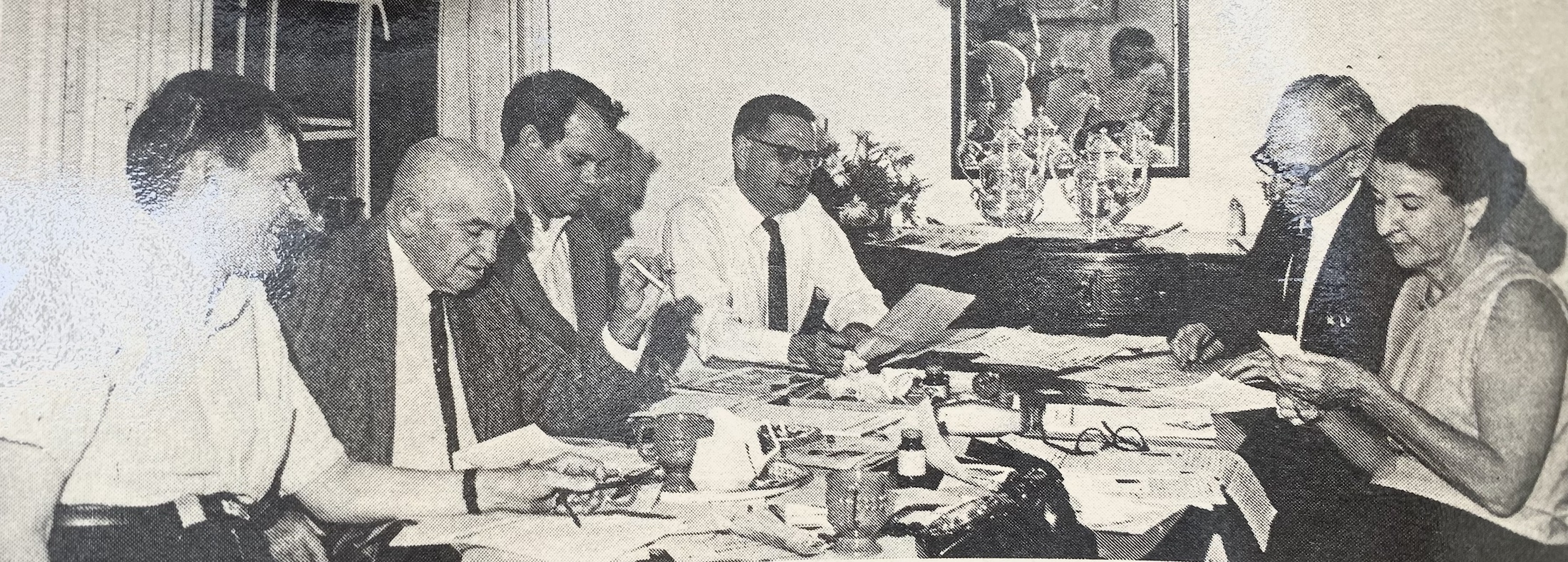
As the disease progressed, he moved from crutches to a wheelchair. Late in life, he attended a diocesan meeting at the cathedral via an ambulance. Upon arriving in the parking lot, he mischievously asked the driver to turn on the siren; when everyone rushed out to see what was wrong, Tisdale just laughed.
“His hopes of recovery (or even just stabilizing) went out over the years, one by one. He must have died a hundred times and come to life each time more deeply alive,” Bishop Bennett Sims said later.
“He did it by his immense embrace of life from the constantly narrowing confines of his own imprisoning condition. He learned accounting when he had to give up editing the diocesan newspaper. He wrote a book from his bed using a tape recorder. He was making the stock market work for him, as a newly acquired skill, when he went to Emory Hospital for the last time.”
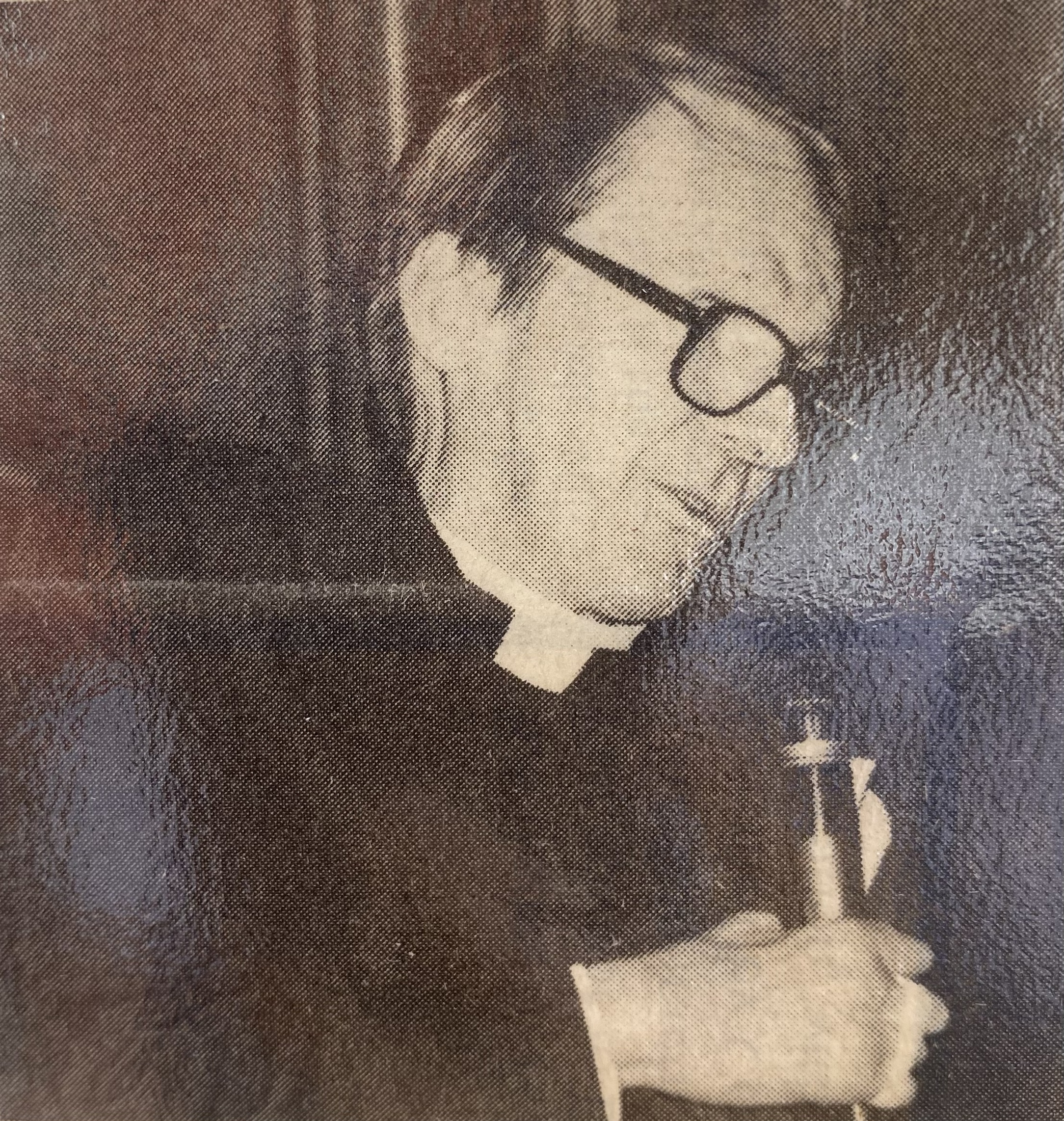
Tisdale endured this illness for most of his adult life. How did he find the strength to press forward against an incurable condition? Albert Camus once wrote that even in the depth of a dark winter, he found within himself an invincible summer. Tisdale possessed that same invincible summer, using it to push back against adversity and pain.
Following Tisdale’s death in 1983, Allan remarked that he had never known a person as good and generous as Tisdale’s wife, Virginia, who steadfastly supported Tisdale’s ministry throughout his life.
Tisdale frequently shared the stories of the African American musicians who taught him music with his children, instructing them never to judge a person by skin color or gender, but only by character. When a parishioner gifted him a new car that happened to be bright orange and white, Virginia was appalled by the color scheme. Tisdale, however, was delighted and entirely unbothered—he was, both literally and figuratively, color-blind.
Do You Remember When?
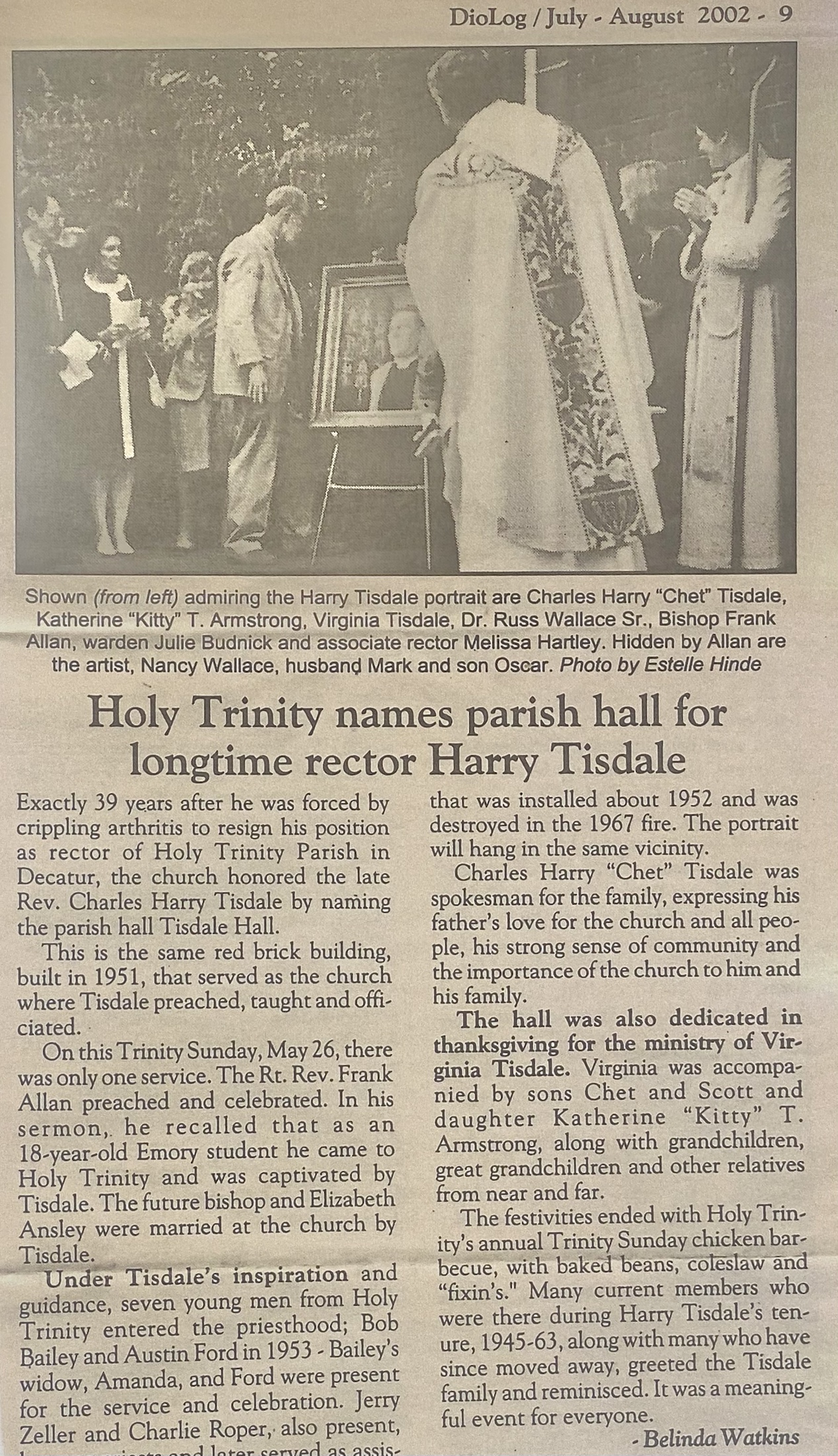
In 2002, the parishioners of Holy Trinity officially named their parish hall Tisdale Hall, inviting young and old into a celebration of history and growth of Atlanta. They sent out this message:
Do you remember when —
You could ride the Pink Pig at downtown Rich’s?
Lenox Square was only one floor and not even covered?
You went to Mathis Dairy on field trips and got to milk Rosebud?
Lewis Grizzard would tell Yankees who complained about the South that “Delta is ready when you are.”?
Willie B lived in a cage and watched his own TV?
Trolley cars went by Holy Trinity on the way to Avondale Estates and Stone Mountain?
Tom Brokaw was the anchor at WSB Channel 2?
There was only one Waffle House in all of America and it was at Avondale Estates?
The Atlanta Chiefs was our soccer team?
The Atlanta Crackers was our baseball team?
The Atlanta Flames was our hockey team?
The only place in America to buy a chicken sandwich was at the Dwarf House in Hapeville which later became the first Chick-Fil-A.?
The only Home Depot in America was in DeKalb County on Memorial Drive?
Then you may remember the Post World War II era of Harry Tisdale when Holy Trinity was bursting at the seams and Harry started three new mission churches in DeKalb County (St. Bart’s, Holy Cross, and St. Michael and All Angels) and sent people and clergy to worship there. He also sent seven young men off to seminaries (Austin Ford, Jerry Zeller, Frank Allan, Charles Roper, Charles Taylor, Jr., Herb Smith and Bob Bailey), some of whom started these new missions.
But even if you weren’t around when Father Tisdale was at Holy Trinity, be there on May 26, 2002 for the dedication of the present Parish Hall (former church) as the Tisdale Hall and hear all about “Father T.”
With the naming of Tisdale Hall, they permanently honored the rector who inspired a diocese with his courage, leadership, and uncrushable spirit. These qualities were also celebrated at Tisdale’s funeral and each March on the Feast of Harry Tisdale at Holy Trinity.
His feast day includes a recitation of the funeral homily given by Atlanta Bishop Bennett Sims to a crowd that included many clergy.
“Harry helped us accept our own humanity. We clergy know very well that ordination confers no immunity to sin and inner darkness. We remain moral battle grounds all our lives [and] shall always need mercy, ministry and help in growing up.
Harry bestowed these gifts. Not directly, but deeply. Not with unctuous benedictions and absolutions. He did it mystically by the transfer of his spirit to our spirit. He did it by the cheerful acceptance of himself as a partial, sinful and crippled human being. He did it by his warm laughter at clergy bunkum and pretense.
All of us stood in awe of this, knowing all along the source of it in the awesome power of Christ to magnify life in defiance of all that diminishes life.
He kept us close to our own mortality. In Harry’s presence none of us could quite ignore his or her own frailty and finitude. To be in life, even in blooming health, is to face a rendezvous with death. Harry handled that rendezvous more often than we’ll know. All of which proves the axiom by which that restless, radiant old letter writer who, in sending word to friends in Philippi, sounded the refrain that fits our brother Harry precisely: ‘For me to live is Christ, and to die is gain. (Philippians 1:21).’”